


How to Use a Cigar Cutter Like a Pro
Aug 8 2025
For those just learning the joys a cigar can provide, it can feel like stepping into a world they never knew existed. There's so much more to the art of cigar making and smoking than many realize.
Some people are unaware that a cigar usually needs to be cut before it can be enjoyed. There are also different ways to cut a cigar, and each style of cut can affect the entire smoking experience. From the flavor to how quickly it burns, finding your favorite cut is an exciting journey.
This guide will teach you how to use a punch cutter, guillotine cutter and V-cutter and give you tips on getting the best cut possible.
The Anatomy of a Cigar
While a cigar may seem like it has a simple construction to the untrained eye, it's actually made up of several components. Each component has to be carefully crafted using varying materials to ensure the cigar has the best flavor and structure.
The cigar's anatomy is made up of its:
- Cap: The cap holds the entire cigar together and is found at the end of the cigar you smoke from. It's made from a loose piece of tobacco and attached to the head of the cigar using natural glue. The cap is where you'll make your cut before smoking.
- Shoulder: This is the part of the cigar directly below the cap. This part of the cigar is rounded or tapered and curves toward the body.
- Head: The head of the cigar is where you smoke from once you've cut the cap, and is located between the shoulder and the band.
- Band: This is the label wrapped around the circumference of the cigar. It identifies the cigar brand.
- Body: The body makes up the bulk of the cigar. Found between the foot and the band, it contains most of the tobacco that will be smoked.
- Foot: The foot, located at the end opposite the cap, is also known as the tuck. This end is open, and you'll light the cigar here.
If you disassemble a cigar, you'll also find that it consists of three distinct layers of tobacco leaf.
First is the wrapper leaf. This is the outer layer of the cigar, consisting of a single tobacco leaf. Since the wrapper leaf impacts the flavor of the whole cigar, it's one of the most important components. Only the best tobacco leaves are selected as a wrapper.
The next layer is the binder leaf. Another crucial aspect of the cigar, the binder leaf is designed to hold the filler together. It's made up of a coarser tobacco leaf known as seco.
The final and innermost layer is the filler. Made up of dark leaves called ligero, it's where most of the flavor comes from. Blenders can get creative with the filler, choosing several types of tobacco to achieve their desired flavor.
What Is a Cigar Cutter?
Cigar cutters are specialized tools designed to create a clean, precise opening in the capped end of a cigar, preparing it for smoking. Unlike simply tearing or biting the end, using a proper cutter ensures an even draw, allowing for optimal airflow and a consistent burn. The type of cigar cutter you use will dictate the method of cutting.
From modern V-cutters that deliver the perfect wedge cut to multipurpose punch cutters that provide everything you need to enjoy a cigar, there's every opportunity to find the perfect cutter for you. The cut affects the entire smoking experience, influencing the flavor profile and the overall enjoyment of the cigar. A clean cut prevents the wrapper from unraveling and avoids creating jagged edges that can interfere with the draw.
Different Types of Cigar Cutters and How to Use Them
Ultimately, the type of cigar cutter you use will come down to personal preference. Here's some information to help you decide which type of cigar cutter to use.
How to Use a Guillotine Cigar Cutter
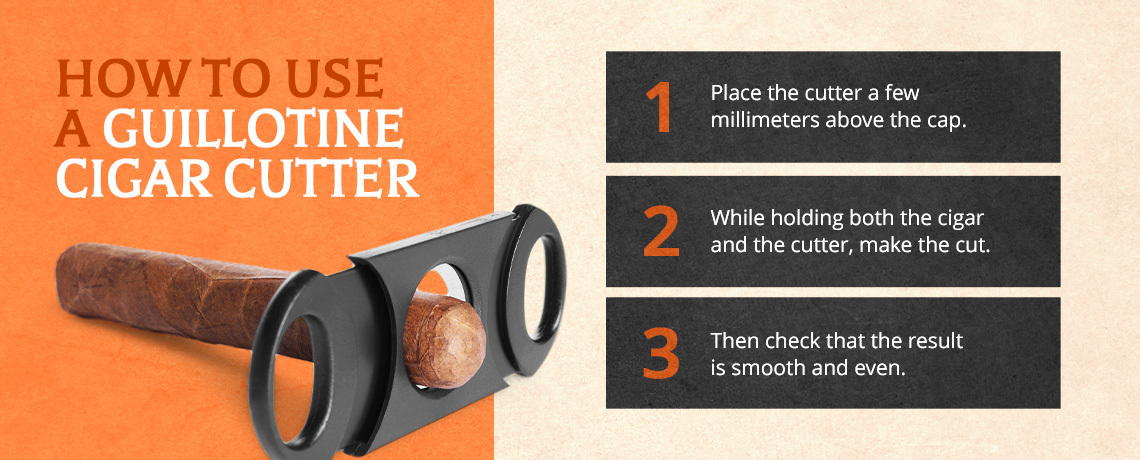
A guillotine cutter is used to slice the end of the cap. Thanks to its ability to easily cut any type of cigar, it's the most popular style of cutter.
To use a guillotine cutter, place the cutter a few millimeters above the cap, making sure you're not going to cut below the cap line. If you can't see this line, line up your cutter with the shoulder. While holding both the cigar and the cutter, make the cut and then check that the result is smooth and even.
When possible, use a double-bladed guillotine cutter rather than a single-bladed cutter. A single-bladed cutter is more likely to crack or damage the cigar, whereas a double-bladed cutter will provide a deeper and cleaner cut for a better smoking experience.
How to Use a V-Cut Cigar Cutter
Another popular cutting style is the V-cut, or the wedge cut. Using a V-cutter creates a wedge-shaped cut straight down the cigar cap to create a smaller passage than the guillotine cutter. This smaller opening can deliver a more intense flavor.
Place the V-cutter at the cigar's cap. Gently squeeze your cutter before checking that your cut is deep enough. If it's not, you can cut again.
How to Use a Cigar Punch Cutter
A punch cutter creates an even smaller opening than the V-cutter. Rather than using a slicing motion, the punch cutter pushes into the cigar with a blunt point to create a clean, circular hole.
When using a cigar punch, simply punch a hole into the center of the cigar cap by pressing it firmly against the cutter. Once you've punched a hole, rotate your cigar slowly to ensure you've made a clean punch. If you're wondering how to use a bullet cigar cutter, you can follow this same method — bullet cutters are a type of punch cutter.
How to Use a Cigar Cutter Knife
A cutter knife is a more traditional but stylish way of cutting a cigar. For an easy straight cut, rest your cigar head on the beveled wooden edge of the knife handle. Smoothly close the blade onto the cigar cap for an even guillotine cut.
How to Use Cigar Scissors
Cigar scissors are easy to use, provided you know where to cut. Just like with the guillotine cutter, you want to cut your cigar slightly above the cap on the shoulder by snipping firmly. You can then cut away any stray pieces as necessary. This tool is generally better suited to cigars with thinner heads.
Cutting Different Cigar Styles
Cigars come in all shapes and sizes under two categories — parejos and figurados. The shape and size of a cigar determine how quickly it burns and at what temperature it combusts, all of which affect the flavor.
Experimenting with different cigar shapes is a great way to sample the various flavors cigars can deliver. However, not all cigar shapes can be cut the same way.
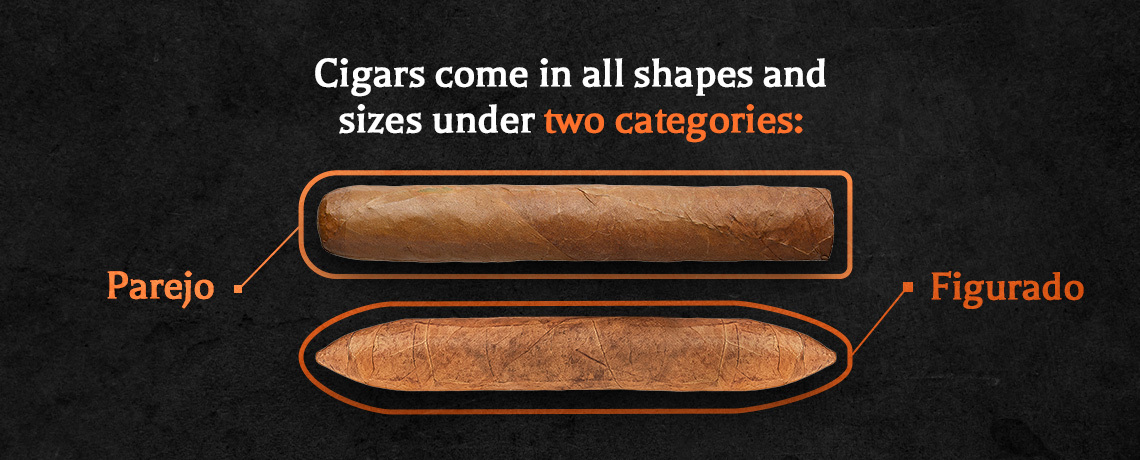
Here are some of the most popular cigar shapes and the best way to cut them:
Parejo
Parejo cigars are the most commonly sold and best recognized type of cigar. With a cylindrical shape and short taper, parejos are often seen as the standard cigar. Some popular parejo cigar shapes include corona, robusto, churchill and toro.
Thanks to their rounded end, parejos are easy to cut with a variety of cutters, making them a good choice for those new to the art of cigar cutting.
Figurado
If a cigar isn't a parejo, it's a figurado. Figurado cigar shapes can include pyramids, torpedos, belicosos and perfectos.
Straight cuts are usually best for figurado cigars, but be careful not to cut too much off and end up with a figurado that looks like a parejo. Remember that not cutting enough is an easy fix, whereas cutting too much isn't.
V-cuts can also work on figurado cigars. How easy this cut will be depends on the thickness of the cigar and the length of the taper. If you're new to cigar cutting, start with a simple straight cut. Once you've built your confidence, you can then attempt angled guillotine cuts before working your way up to a deep V-cut.
5 Mistakes People Make When Cutting Cigars
To enjoy a cigar to its fullest extent, you need to cut it well. Otherwise, it may have poor air flow, burn unevenly or need constant relighting, all of which can hamper the smoking experience. If you damage the cigar's structure, it may even unwrap and fall apart completely. You may also inhale loose tobacco.
If you're inexperienced, there's a lot that can go wrong when cutting a cigar. The five most common mistakes people make are:
1. Using a Blunt Blade
Using a cigar cutter with a dull blade can damage the cigar by cracking or tearing the cap or wrapper. To avoid damage, regularly check your blade's sharpness. Some cutters have replaceable blades, while others can be sharpened. You can sharpen your blade by taking it to a professional or doing it yourself with a sharpening stone. If you opt to sharpen it yourself, make sure you use the correct angle and follow the manufacturer's instructions.
2. Cutting Too Much
Cutting past the cap can cause the cigar wrapper to unravel. The key is to cut just enough to create a smooth draw without compromising the cigar's structure. When using a guillotine cutter, cut only the very tip of the cap — about 1/16 to 1/8 of an inch. If you're unsure, err on the side of caution and cut less. You can always cut more if needed.
3. Not Cutting Enough Off
If the cigar hasn't been sufficiently cut, air won't be able to flow from the foot to the head. If you're unsure whether you've cut enough off, take a cold draw of your cigar. If you feel an airflow, you've likely cut enough off. If you feel resistance or very little airflow, you need to cut a bit more. Make small, incremental cuts until you achieve a comfortable draw.
4. Hesitating While Cutting
Slow, unsure cuts with lots of stopping and starting can create a rough cut, resulting in a jagged, uneven surface. When using a guillotine or scissor cutter, use a single, swift motion. Make sure your cutter is properly aligned and slice through the cap with confidence.
5. Using the Wrong Cutter
Not all cutters are created equal, and some are better suited for certain cigar shapes and sizes than others. For example, a punch cutter might not be ideal for a figurado cigar with a tapered head. Similarly, a V-cutter might not work well on a very thick cigar.
Consider the cigar's shape and size when selecting your cutter. Guillotine cutters are generally versatile and work well with most cigars, while V-cutters are great for enhancing flavor intensity. Punch cutters are best for smaller ring gauge cigars.
Knowing where to cut a cigar, what tools to use and how to use them properly will greatly reduce the chances of a bad cut.
Cigar Cutting Etiquette
For many enthusiasts, cigar smoking is a social experience. Cigar lounges are popular for buying new cigars and enjoying them with friends. However, poor cigar cutting etiquette can spoil the experience, much like bad table manners can ruin a meal at a nice restaurant. Some of the most common faux pas to avoid include:
- Improvising a cutter: If you don't have a cutter, using a makeshift cutter is always a last resort. It's better to be prepared and bring your own cutter, but if this isn't possible, ask to borrow one.
- Licking your cigar and then using someone else's cutter: While licking your cigar isn't a mistake in itself, doing so before using someone else's cutter is unhygienic and considered bad manners.
- Biting the cap: Biting the cap with your teeth should only be done when there's no other solution, including using a makeshift cutter. Besides being impolite, biting your cap is more likely to cause problems with your cigar.
Find the Perfect Cigar Cutters for Beginners
At Corona Cigar Co., we have a wide range of cigar cutters that are perfect for starting your journey into the art of cigar cutting. From keychain punch cutters you can carry anywhere to multipurpose cutters that give you the freedom to experiment with different cutting styles, we have high-quality cutters for every budget.
Browse our selection today to enhance your cutting and smoking experience.